How do Multiple Generations of Carpenters Embrace Timber Frame Manufacturing and Modern Methods of Construction?
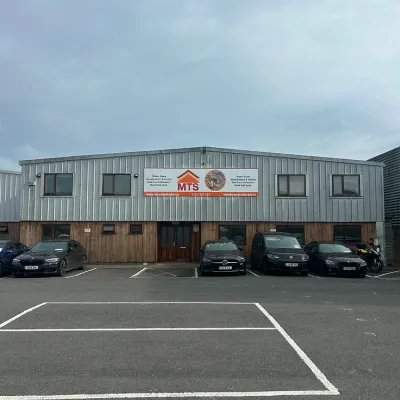
Munster Timber Structures specialises in the offsite manufacturing and onsite assembly of timber frame homes and engineered timber solutions on one-off homes and large-scale residential developments alike across Ireland. The company has adapted to Modern Methods of Construction (MMC) and excelled over the years because generation after generation of the Kiely family has shared their skillsets.
When you look closely at the Irish construction industry, many professionals who enter the sector are following in the footsteps of their parents, often to help run a family business.
While there is no Irish study to corroborate this, the Chartered Institute of Personnel and Development in the UK does back this up. This organisation highlights research showing around 17% of people in construction trades are in the same occupation as their parents.
If the motivation to join the construction sector often starts at home, Munster Timber Structures is a true poster child of this phenomenon. The Co. Waterford-based company has not just two, but three generations of the Kiely family under one roof. Each member contributes different skills to a company manufacturing timber frame components, roof trusses, and other engineered timber solutions – but all have an enthusiasm for carpentry.
Johnny Kiely, Director of Munster Timber Structures, has now led the business for more than two decades. He started out as a site carpenter and contractor for home builders, working all over the country. But around 25 years ago he decided to shift his operations:

“In 2000, I moved the business towards timber frame manufacturing. I think it's a natural progression for carpenters to try ‘industrialise’ their business. There were few timber frame manufacturers in the South-East then, and none in Waterford. I had no local expertise to draw on, but on the flip side I was the first to doing it here.”
Director of Munster Timber Structures
The move to manufacturing timber components offsite typically leads business leaders to pivot the skills they need because there are a greater variety of skills needed for production. Production staff need knowledge of digital construction tools, machinery operation, and Lean principles. As such, many timber frame manufacturers look for all-round General Operatives to undertake stock handling and quality checks between automated processes. Companies often hire for general manufacturing skills, or even expertise as a Machine/CNC Technician, and teach carpentry and manufacturing skills.
Munster Timber Structures, interestingly, operates with the opposite business model.
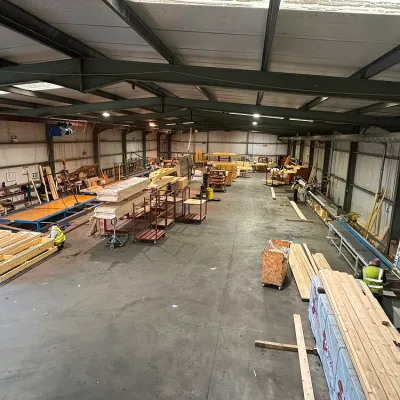
“Unlike other timber frame manufacturing companies, we employ more qualified and apprentice carpenters than General Operatives. We employ qualified carpenters in lead roles in manufacturing, to gives us a high end-standard for onsite fitting. Onsite, about 80% of our teams fitting housing are qualified or apprentice carpenters. I believe that by specialising our carpenters in higher-value, more complex jobs requiring technical trade skills in the context of offsite manufacturing and onsite fitting we keep them more engaged and satisfied in their role.”
Director of Munster Timber Structures
This strategic decision, Johnny believes, is core to the business’ high staff retention:
“I believe this focus on engaging our carpenters in the type of meaningful, skilled work increases their longevity in the business. We've one carpenter working here since 1990, we have slaters here since 1992. We want people to believe they can continue to learn and build skills here across their entire career in construction.”
Director of Munster Timber Structures
This commitment to investing in staff development has paid dividends. Munster Timber Structures’ Design Lead is a qualified carpenter who won National Apprentice of the Year in 1998 before training as a Design Engineer. His current role combines practical carpentry expertise with how the trade translates to structural design and offsite manufacturing.
Long-serving staff isn’t the only consistency at Munster Timber Structures. Johnny’s son, Damien, and brother-in-law, JP, both work in senior roles in the manufacturing facility; his wife is Financial Controller; two more of sons work as onsite fitters of the timber frame structures; and Johnny now even working with a grandson, who is an apprentice carpenter!
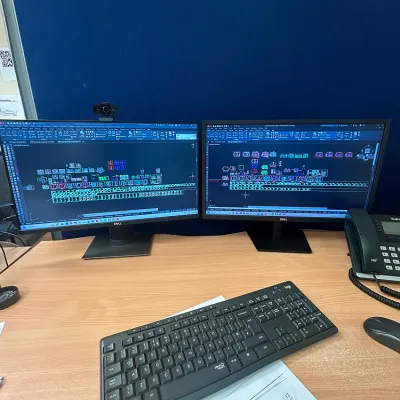
Damien Kiely, Production Manager and Johnny’s son, facilitates the production of timber frame components, overseeing transferring data from the CAD drawings created in the Design Office to cut sheets for input to machines on the floor. He also helps to address project bottlenecks and manage quality control alongside Factory Floor Manager JP.

“I started out in the industry as a carpenter along with my twin brother. I've been involved with construction since I was 11 year's old, and have always been involved in the family business. I've never thought about doing anything else really.”
Production Manager at Munster Timber Structures
While Munster Timber Structures has had a prominent impact on Damien’s entry into the building sector, he has his eyes open to what he needs to develop to continue to excel:
“I know that I can't stand still with my skillset, and I want to keep developing my computer design skills. I'm interested in upskilling in digital construction technologies such as Computer Aided Design – I've had my eye on a course at South East Technological University, to roll flexible learning in alongside my day-to-day.”
Production Manager at Munster Timber Structures
Looking further ahead, Damien aspires to continue the development of the business:
“In the next 10 years, I want to step into my father's role and become Operations Director. To do that, I know I need to keep building my skills. Not just in construction tools or offsite manufacturing, but in problem solving and selling to people too.”
Production Manager at Munster Timber Structures
The future of Munster Timber Structures is often at the front of Johnny’s mind. These days. Because of that, he is reflective on how far the business has come and the role of trade carpentry skills, paired with automated production, in keep quality output consistent.
“In 2006, just before the Recession, we built 900 homes a year. 10 years later, we were building 40. This year, we expect to top 700 homes – but with all of that production offsite in our facility. Part of this rebound is because demand for offsite timber frame construction is increasing – we have doubled production in the last three years ... another part of that success is because we have worked with many of our clients for a long time and consistently delivered high-quality developments.”
Director of Munster Timber Structures
One excellent showcase of a high-quality development is 25 social houses at The Courtyard in Tramore, Co. Waterford. Working with local contractors R McDonald & Sons, Munster Timber Structures manufactured the unit frames and roof trusses offsite for transport to site and installation. Site Manager Eamon Doyle said this focus on offsite production was vital to the project’s success as The Courtyard adapts an old storage yard surrounded by buildings. With space onsite limited, delivering timber frame components pre-manufactured for assembly onsite undoubtedly speeded up delivery on this project.
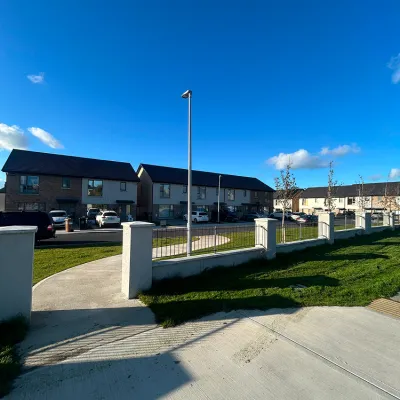
Eamon added his 15+-year relationship with Munster Timber Structures has stood the test of time because of the company’s ability to adapt to market changes and deliver quality.
Munster Timber Structures, through decades and advances in Modern Methods of Construction, has clearly made the most of its localised expertise as a timber frame manufacturer. This is, in part, down to its embrace of trade carpentry skills as core to offsite timber frame manufacturing, no matter the level of automation in production. Family have also been key to this consistency, alongside maintaining a focus on what the next iteration of the business looks like as the construction industry continues to evolve.
Related
-
 “Making Construction More Accessible to People” – How Manufacturing Production Staff Fit into Offsite Timber Frame Building
-
 ‘Making Innovation Core to the Industry, Giving Opportunities to Graduates’ Through Training and Mentorship at Construct Innovate
-
 Gucci, Dulux, Castle Modular – How a Commitment to Upskilling Brought Sinéad Vaughan to Offsite Construction