Media Hub
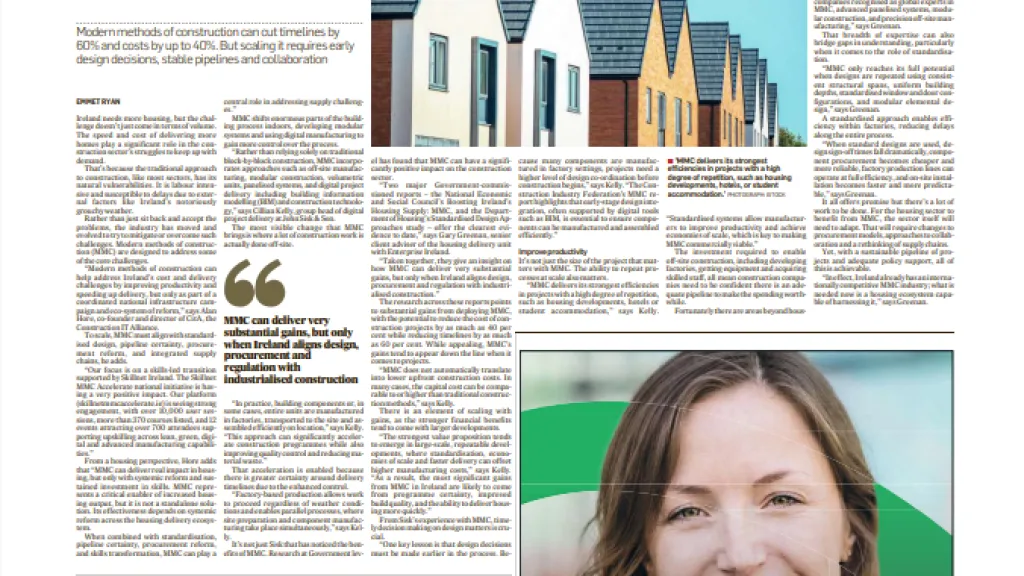
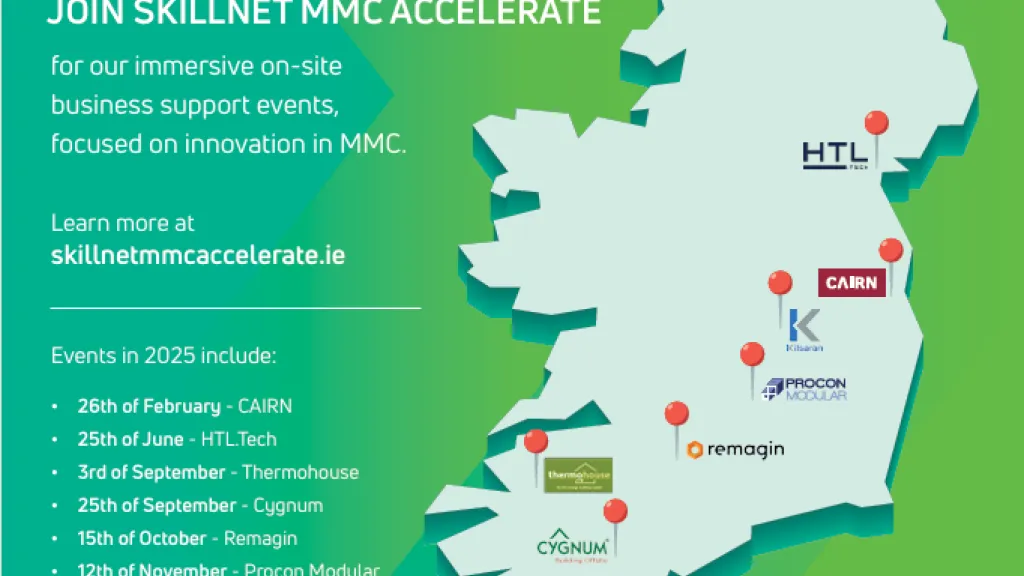
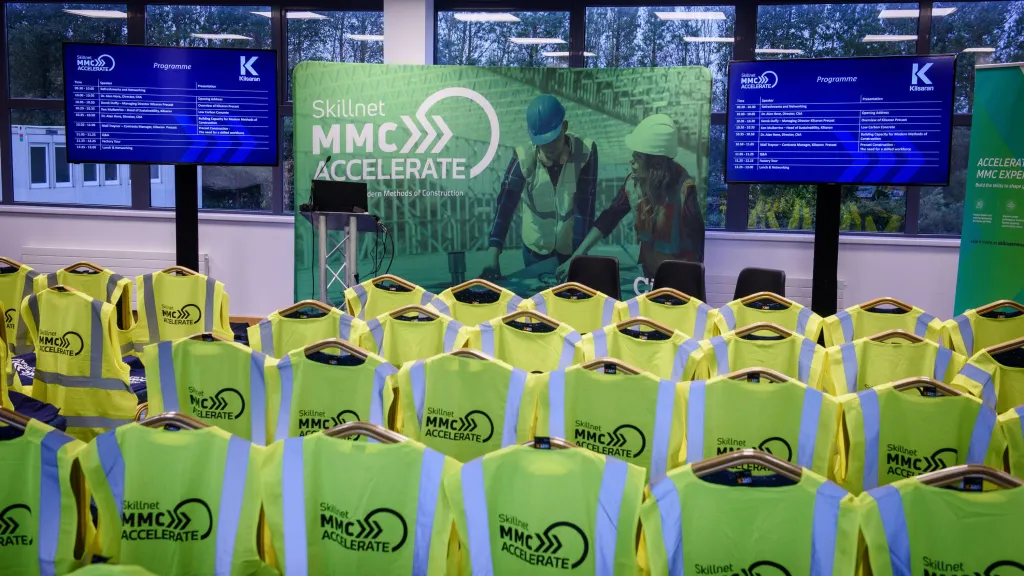
Media hub is a centralised content hub gathering videos, newsletters,vox pops, media coverage, and interviews related to the MMC ecosystem. This is designed to improve content discoverability and increase user engagement with MMC day to day.
Featured
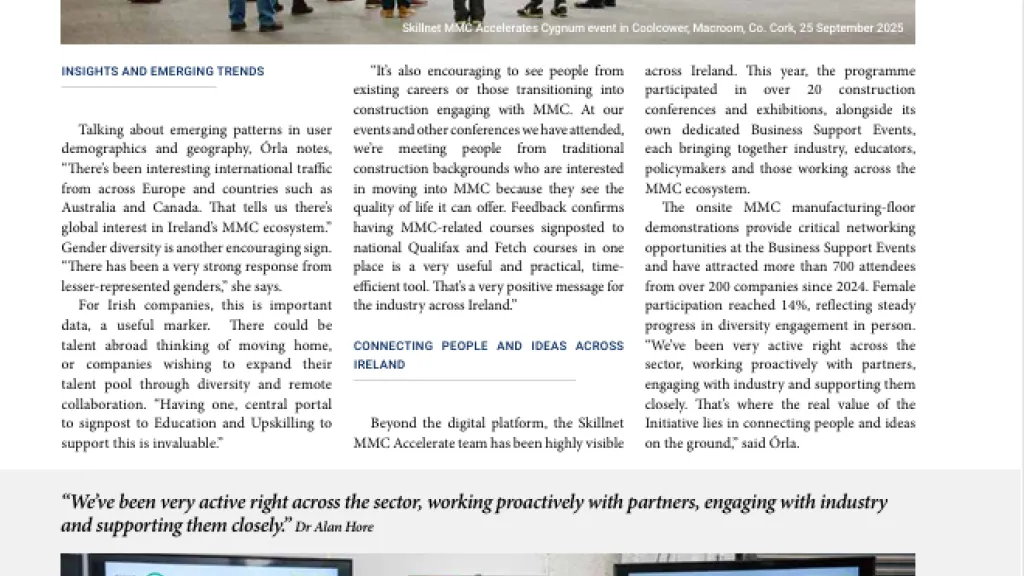
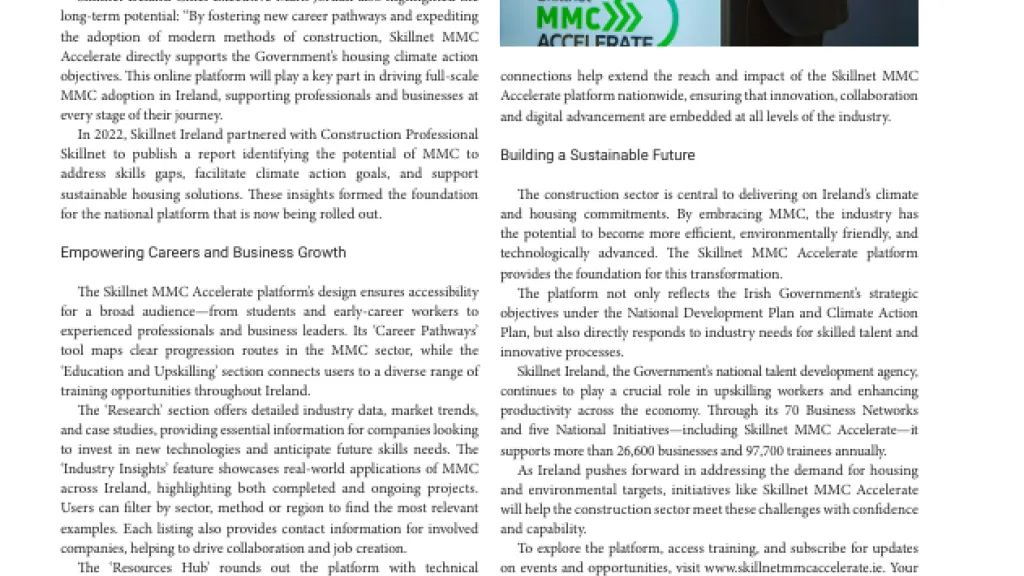

Click here to see our brochure
https://www.skillnetmmcaccelerate.ie/sites/default/files/2026-09/Skillnet-MMC-Accelerate-Brochure.pdfAll Publications
Featured
All Videos




All Radio Clips
-
Amvic ICF and Skillnet MMC Accelerate
Audio file -
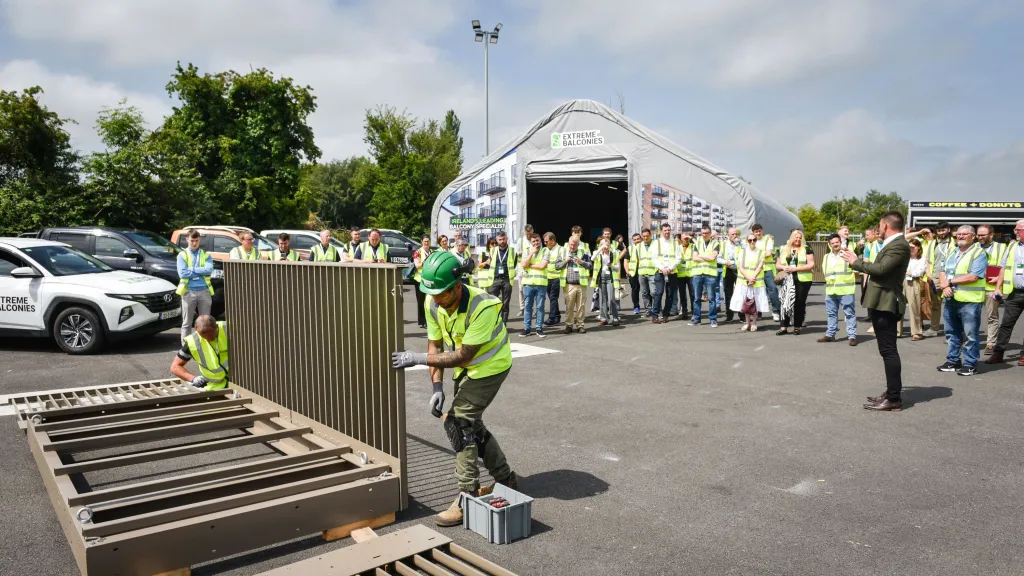
Skillnet MMC Accelerate and Extreme Balconies Bring National Construction Companies to Co. Kildare for Business Event
Audio file -
How Skillnet MMC Accelerate is helping construction firms adopt Modern Methods of Construction
Audio file -
Cavan Company Plays 'Pivotal Role' in Driving Innovation in Event with Skillnet MMC Accelerate
Audio file -
How Skillnet MMC Accelerate is Promoting Upskilling in Modern Methods of Construction
Audio file -
Job Opportunities Within the Construction Sector
Audio file

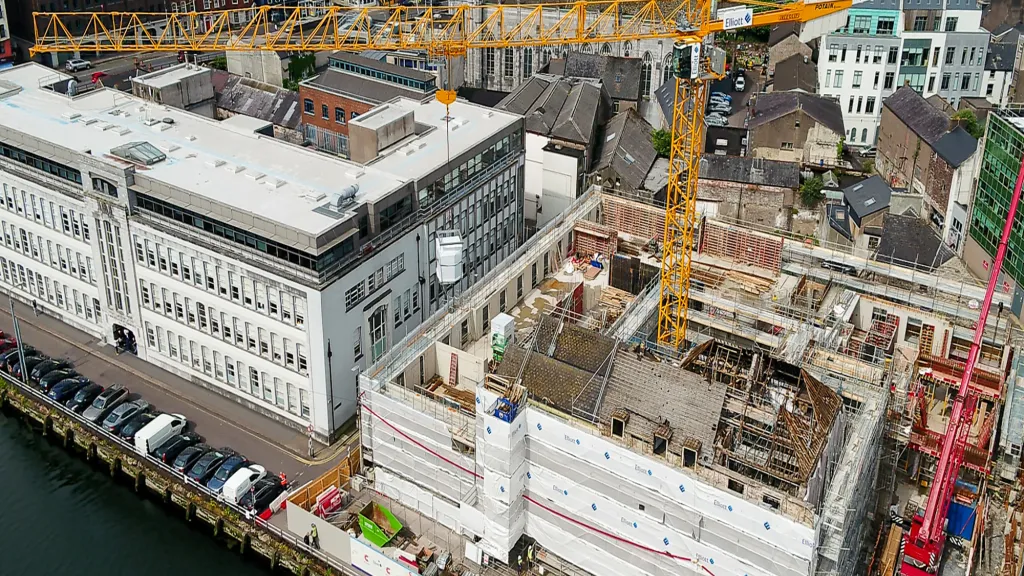


The 7 Categories of MMC
Modern Methods of Construction (MMC) is a term to describe a range of manufacturing and innovative alternatives to traditional construction. MMC can help boost productivity and efficiency of construction projects.
There are seven categories of MMC (as defined by the UK’s MMC framework) which reflect the diverse range of innovative approaches in construction, from pre-manufacturing to on-site techniques.
Check out below introductory videos (commissioned by the Department of Further and Higher Education, Research, Innovation and Science) as Harrison Gardner provides an overview of each of the MMC categories.
Intro
Harrison Gardner introduces MMC
Open
Harrison Gardner introduces MMC

Harrison Gardner introduces MMC
The Department of Further and Higher Education, Research, Innovation and Science has created eight videos, in conjunction with industry leaders and TV personality Harrison Gardener, to give Irish construction businesses a solid grounding in the fundamentals of Modern Methods of Construction (MMC).
1
Pre-Manufacturing: 3D Systems
Open
Pre-Manufacturing: 3D Systems
Pre-Manufacturing: 3D Systems
This involves constructing three-dimensional units in a factory setting, which are then transported to the site for assembly. These modules can be fully finished, with internal fittings and services installed, before they even reach the site for efficiency and to reduce the time spent onsite.
2
Pre-Manufacturing: 2D Systems
Open
Pre-Manufacturing: 2D Systems
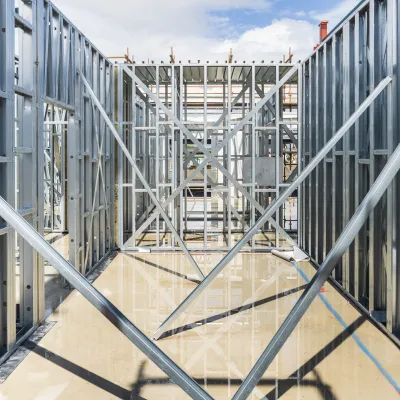
Pre-Manufacturing: 2D Systems
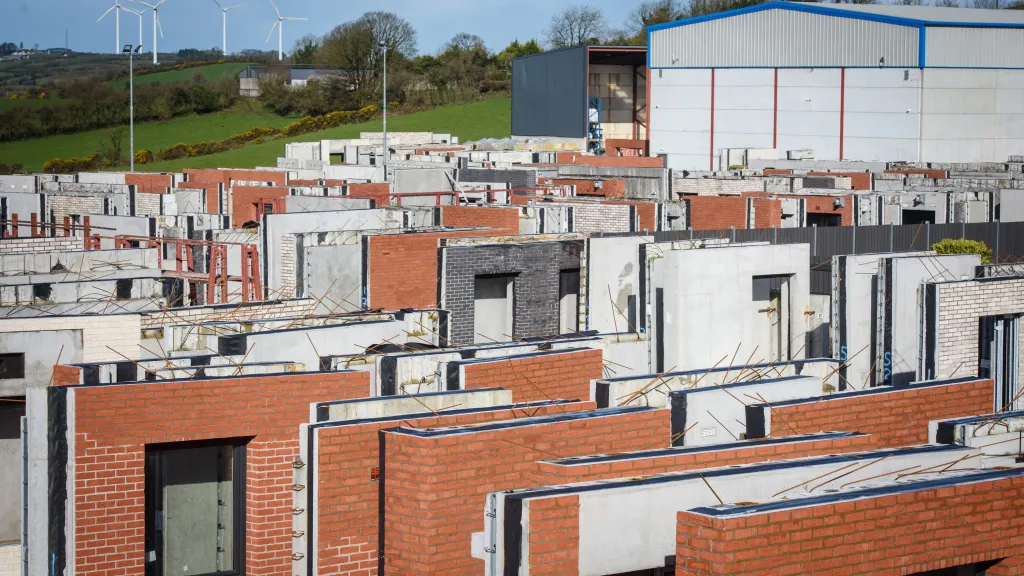
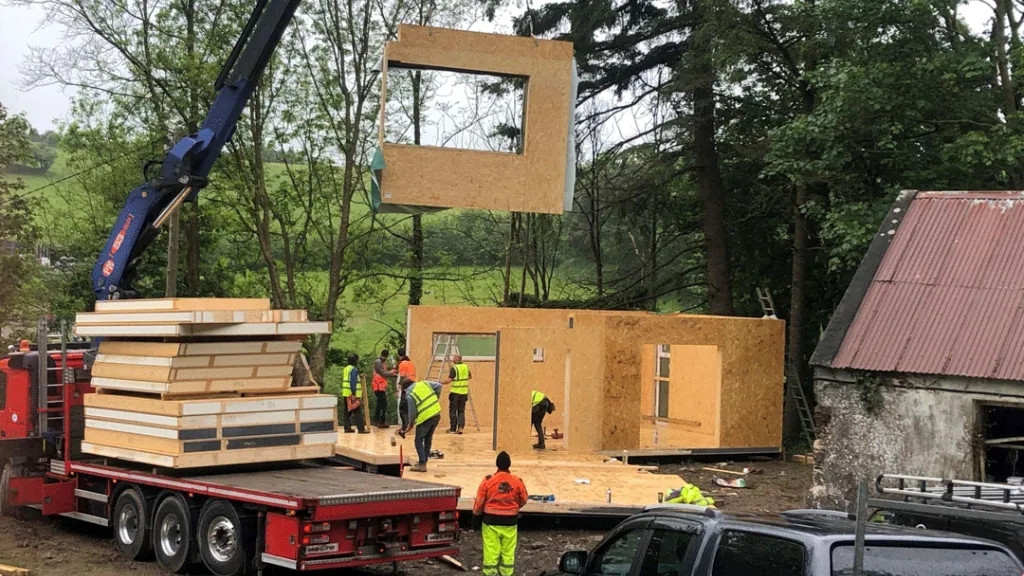
These are flat panels that are manufactured off-site and assembled onsite to form a building. They can be used for walls, floors, and roofs and are often made from materials like timber, steel, or concrete. The panels can be insulated (like Structural Insulated Panels, or SIPs) or non-insulated.
3
Pre-Manufacturing: Structural components
Open
Pre-Manufacturing: Structural components
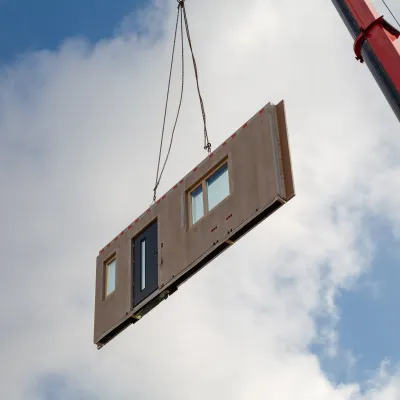
Pre-Manufacturing: Structural components
This category combines elements of both volumetric and panelised systems. Hybrid systems offer the flexibility of panelised systems with the speed of volumetric construction, allowing for more complex designs and layouts.
4
Pre-Manufacturing: Additive Manufacturing
Open
Pre-Manufacturing: Additive Manufacturing
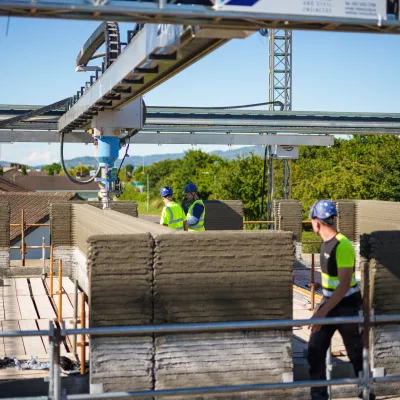
Pre-Manufacturing: Additive Manufacturing
Commonly known as 3D printing, this involves the use of digital 3D models to fabricate building components or even entire buildings by layering material. This method offers high levels of customisation and can significantly reduce waste.
5
Pre-Manufacturing: Non-structural assemblies
Open
Pre-Manufacturing: Non-structural assemblies
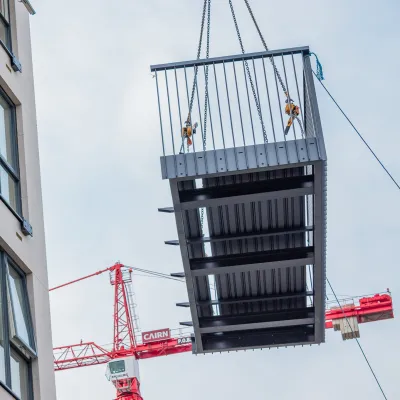
Pre-Manufacturing: Non-structural assemblies
This includes non-load-bearing mini-volumetric units (pods) or pre-formed wiring looms. It also includes unitised non-structural walling systems, roofing finishes, and pre-sized materials. This category aims to improve efficiency and safety by pre-fabricating components that are then easily assembled onsite.
6
Product labour reduction & productivity improvements
Open
Product labour reduction & productivity improvements
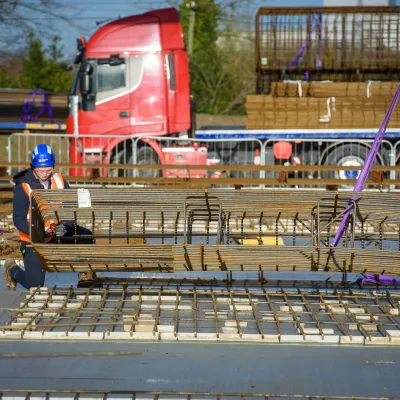
Product labour reduction & productivity improvements
This includes traditional building methods but using modern materials and techniques to improve performance. It’s about applying contemporary knowledge and practices to conventional construction approaches.
7
Process-led labour reduction & productivity improvements
Open
Process-led labour reduction & productivity improvements
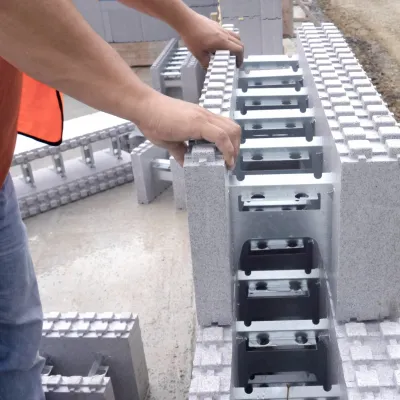
Process-led labour reduction & productivity improvements
This category involves innovative techniques applied onsite. These could include novel methods of site preparation, innovative building techniques, or the use of modern, high-performance materials. Examples could include using advanced lifting equipment, robotic construction, or optimised digital workflows to streamline tasks onsite.